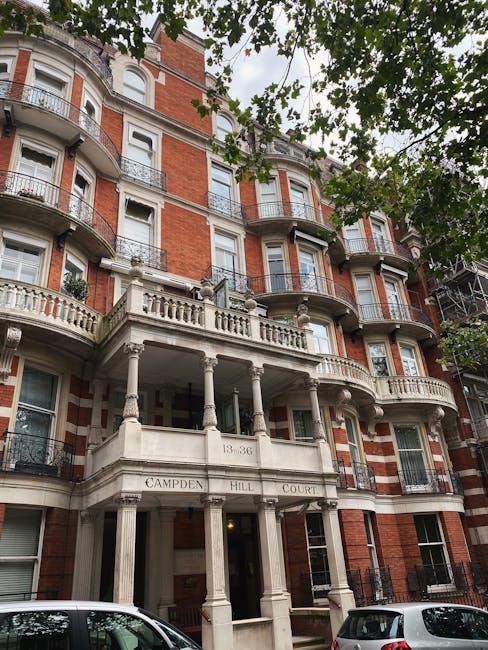
Estate Cleaning Checklist for Royal Crescent, Notting Hill
If you are dealing with an estate clean in Royal Crescent, Notting Hill, the stakes are a little higher than a normal one-off tidy. There may be period features to protect, shared stairwells to respect, rooms that have been unoccupied for a while, and family members or agents expecting the property to look properly cared for. A solid Estate cleaning checklist for Royal Crescent, Notting Hill helps you keep the process organised, reduce missed details, and avoid that frustrating last-minute scramble. Truth be told, that final 10% is usually where the real work lives.
This guide breaks the job into a clear, practical sequence: what the clean should cover, how to approach different rooms, what order makes sense, and which mistakes can undo a careful finish. It also includes local context, useful best-practice notes, and a checklist you can use straight away. If you are comparing professional support, you may also want to review the company's services overview, explore end of tenancy cleaning in W10, or read about their broader house cleaning support if the estate clean overlaps with a home move or property handover.
Table of Contents
- Why this cleaning checklist matters
- How the estate clean works in practice
- Key benefits and practical advantages
- Who this is for and when it makes sense
- Step-by-step guidance
- Expert tips for better results
- Common mistakes to avoid
- Tools, resources and recommendations
- Law, compliance, standards and best practice
- Options, methods and comparison table
- Case study or real-world example
- Practical checklist
- Conclusion
- Frequently asked questions
Why Estate Cleaning Checklist for Royal Crescent, Notting Hill Matters
Estate cleaning is not just about making a place look presentable. In a location like Royal Crescent, the property often has character, value, and expectations attached to it. That can mean polished floors, original woodwork, decorative mouldings, sash windows, and the kind of details that make a home feel refined. A rushed clean can leave dust in the wrong places, streaks on glass, or marks that become very obvious once natural light hits the room at 8:30 in the morning.
A proper checklist gives you structure. It tells you what to clean, in what order, and where to slow down. That matters whether the property is being prepared for sale, let, inheritance settlement, probate, refurbishment, or a dignified handover after a long family tenancy. It also helps reduce conflict. When everyone can see what has been done, there is less room for the "I thought the skirting boards were included" conversation. Nobody needs that.
There is a local angle too. Notting Hill homes are often a mix of heritage finishes, modern fittings, and compact layouts, which means a one-size-fits-all approach rarely works. For a broader sense of the area and its property character, this blog on life in Notting Hill from an insider's view gives useful context, while exploring Notting Hill's streets and character helps explain why homes here often need more careful handling than a quick surface clean.
How Estate Cleaning Checklist for Royal Crescent, Notting Hill Works
Think of estate cleaning as a staged process rather than a single job. First you assess the property, then you work from top to bottom, and finally you inspect the details. That sequence is simple, but it saves a lot of time because dirt travels downward. If you clean floors before ceiling cobwebs, for example, you are effectively working against yourself. Classic mistake, and very common.
The best way to use the checklist is to divide the property into zones:
- Entry points and circulation areas such as hallways, stairs, and landings
- Living spaces such as reception rooms, lounges, dining rooms, and studies
- Bedrooms and storage including wardrobes, drawers, and under-bed spaces
- Kitchen and utility spaces where grease and residue build up quickly
- Bathrooms and washrooms where limescale, soap film, and odours need attention
- External touchpoints like balconies, steps, and entrance thresholds if applicable
The exact scope depends on the property's condition. A light estate clean after a move-out is very different from a deep clean after several empty weeks or a sensitive probate clearance. If upholstery or carpet fibres have held onto odours or dust, it can also make sense to include specialist support such as upholstery cleaning in W10 or carpet cleaning in W10 for a more complete result.
In practice, the checklist works best when one person coordinates, even if several people are cleaning. That coordinator keeps an eye on priorities, makes sure consumables do not run out, and prevents duplication. One person on bathrooms, one on dusting, one on floors - tidy, efficient, and much less chaotic.
Key Benefits and Practical Advantages
A well-structured estate cleaning checklist saves time, but that is only the obvious benefit. The deeper advantage is control. When a property has sentimental value, commercial value, or both, control matters. You want to know the job has been done properly, not just quickly.
Here are the main practical benefits:
- Better consistency across all rooms and surfaces
- Fewer missed details such as light switches, tops of doors, and behind appliances
- Cleaner presentation for agents, surveyors, family members, or new occupants
- Reduced stress because the work is sequenced clearly
- Improved hygiene in kitchens, bathrooms, and storage areas
- Stronger finish in high-visibility zones like entrances and reception rooms
There is also a cost-control angle. A checklist can help you decide what to do in-house and what to outsource. For example, a family might handle personal sorting, paperwork, and basic dusting, then bring in professionals for deep cleaning, carpets, or stubborn upholstery marks. That hybrid approach is often more sensible than trying to force everything into one day. To get a feel for how professional scheduling and quoting may be handled, take a look at the company's pricing and quotes information.
Expert summary: the cleaner the handover, the fewer questions later. In estate situations, clear evidence of care often matters as much as appearance itself.
Who This Is For and When It Makes Sense
This checklist is useful for anyone responsible for preparing a property in or around Royal Crescent. That includes executors, landlords, letting agents, estate managers, families sorting a loved one's home, and homeowners preparing a sale. It also helps if the property has been empty for a bit and needs a proper reset before viewings, valuation, or maintenance work.
You will probably find it especially useful if:
- the property has multiple rooms and several stakeholders
- the handover date is fixed and cannot move
- you need to protect delicate surfaces or period details
- there are carpets, rugs, or soft furnishings that hold dust easily
- you want a professional standard rather than a quick tidy-up
If the job includes broader property preparation, there is a useful overlap with domestic cleaning in W10 and house cleaning services, especially where the estate clean blends with routine upkeep. For offices or mixed-use spaces, the logic is similar, although the standards and traffic patterns differ, and office cleaning in W10 may be the better fit.
When does it make sense to call in help? Usually when time is short, access is awkward, the property is large, or there are materials that need specialist care. To be fair, even experienced people can underestimate how long a full estate clean takes. You think it will be a straightforward afternoon. Then you find built-up grease behind the cooker and dust on top of a wardrobe you nearly needed a ladder for.
Step-by-Step Guidance
Use this as a practical route through the property. The order matters. Work clean to dirty, high to low, and dry to wet wherever possible.
1. Start with an initial walkthrough
Before you clean anything, inspect the property room by room. Look for damage, mould, heavy dust, stains, broken fittings, or items that need removal first. Take notes. If several people are involved, photographs help prevent misunderstandings later. It is also the time to decide whether carpet, upholstery, or specialist treatment will be needed.
2. Clear clutter and separate keep, donate, recycle, dispose
An estate clean goes smoother when the space is already decluttered. Remove loose items, old paperwork, expired kitchen goods, and anything that blocks access to surfaces. If you are dealing with a family property, keep bags or boxes clearly marked. It sounds simple, but it saves endless back-and-forth.
3. Dust from top to bottom
Start with ceiling corners, coving, picture rails, vents, and light fittings. Move to shelves, ledges, door frames, and skirting boards. Use dry dusting first where appropriate, then a slightly damp microfibre cloth for stubborn residue. Period properties often collect dust in surprising places. The top of a door frame, for example, can look fine until you run a cloth along it and realise it has been quietly gathering grime for years.
4. Clean kitchens carefully
The kitchen normally takes the longest. Grease, food residue, limescale, and odours all tend to cluster here. Focus on worktops, cupboard fronts, handles, extractor covers, sinks, taps, appliance exteriors, and splash zones. If appliances remain, clean inside and out where safe to do so. Check seals, trims, and behind removable trays. Do not skip the extractor fan cover. It is one of those things people forget and then notice immediately when it is done properly.
5. Tackle bathrooms with hygiene in mind
Bathrooms need a separate approach because they combine moisture, residue, and high-touch surfaces. Clean basins, taps, toilets, baths, showers, screens, tiles, and grout lines. Pay attention to limescale around fittings and soap film on glass. Finish with mirrors and ventilation grilles. If odour is an issue, identify the source rather than masking it. That usually means drains, bins, sealant, or damp corners.
6. Move through living areas and bedrooms
Dust soft furnishings where needed, wipe furniture surfaces, clean switches and sockets carefully, and vacuum corners and edges. Open wardrobes and drawers only after checking they are empty and safe to access. In bedrooms, under-bed dust and skirting boards often need more work than you expect. In reception rooms, window ledges, radiators, and coffee tables can reveal whether the clean is truly thorough.
7. Treat floors last
Vacuum all hard and soft floors after dusting and surface cleaning is complete. If the floor is hard, mop with an appropriate product and avoid leaving excess moisture behind. If there are carpets, consider whether they need a proper clean rather than a vacuum alone. A good carpet finish can change the whole feel of a room; there is a reason people notice it straight away.
8. Finish with glass, mirrors, and final inspection
Windows, mirrors, and glossy surfaces show streaks quickly, so leave them until the end. Then do a final walk-through in daylight if possible. Open a couple of curtains. Look at corners from an angle. It is slightly annoying, yes, but that is how you spot the missed bits before somebody else does.
Expert Tips for Better Results
The little decisions often make the biggest difference. A few practical habits can lift the whole finish without adding much time.
- Use the right cloth for the right surface. Microfibre is ideal for many tasks, but not every surface likes the same pressure or moisture level.
- Work in one room at a time. It keeps momentum up and reduces the chance of half-finished areas.
- Keep separate cloths for bathrooms and kitchens. Cross-contamination is avoidable, and honestly there is no upside to mixing them.
- Test delicate finishes first. Painted woodwork, antique surfaces, and stone worktops may react differently to standard products.
- Use daylight when checking final results. Artificial light hides some streaks and leaves others looking dramatic for no good reason.
- Book specialist help for fabrics and floors if needed. It is often more efficient than trying to rescue deep-set marks with household kit.
One especially helpful habit is to clean backwards out of the room. Finish the furthest corner first, then move toward the door. That way, you are not stepping across freshly cleaned areas. Small thing, big difference. Also, if the property is in a busy part of Notting Hill and access is limited, keep your kit compact and your route planned in advance. A tidy sequence saves knees, time, and patience.
If you want a more environmentally considerate approach, this company's eco-friendly cleaning guidance is a useful reference point for choosing lower-impact products and more considered methods. It is not about being perfect. It is about being sensible.
Common Mistakes to Avoid
Estate cleans often go off track for the same handful of reasons. Knowing them ahead of time makes the whole job less stressful.
- Starting with floors too early. Dust and debris will just fall back down.
- Ignoring hidden surfaces. Behind radiators, on top of wardrobes, and around door tops are the usual suspects.
- Using one product for everything. That rarely ends well, especially around wood, stone, glass, and soft furnishings.
- Forgetting air flow. Open windows where appropriate so cleaning residues and stale odours do not linger.
- Underestimating bathrooms and kitchens. These rooms almost always need the most attention.
- Leaving inspection until the final minute. That is how small defects turn into stressful ones.
Another common issue is sentiment. People find items, letters, old photographs, and the odd thing with emotional weight, then the pace slows right down. Understandable, of course. Just build that into the plan rather than pretending it will not happen. A realistic schedule is a kinder schedule.
Tools, Resources and Recommendations
You do not need a warehouse of equipment, but a careful kit matters. The following tends to cover most estate cleaning needs:
- microfibre cloths in several colours
- vacuum cleaner with attachments
- soft brush and crevice tool
- bucket, mop, and wringer
- non-abrasive general cleaner
- bathroom cleaner suitable for limescale
- glass cleaner or a streak-free alternative
- disposable gloves
- bin bags and labelled containers for sorting
- step stool for higher areas
For some properties, especially where carpets are tired or upholstery is carrying odours, a specialist clean is the most efficient route. If you are exploring local options, the page on carpet cleaners near Portobello Road, Notting Hill may help with nearby expertise and service context. It is a good reminder that a polished result often comes from combining the right jobs rather than forcing one product to do everything.
If you are researching a provider more generally, their about us page and tradition of excellence section can help you judge experience and working style. That kind of background matters when you are trusting someone with a significant property job.
Law, Compliance, Standards, or Best Practice
For most readers, the main concern is not a strict legal checklist but a sensible standard of care. That said, estate cleaning can touch on safety, insurance, access, and waste handling, so it is worth being cautious and organised.
In the UK, best practice usually means using cleaning products according to the label, protecting surfaces from damage, and handling waste responsibly. If the property contains sharp objects, bodily fluid contamination, or specialist waste, the situation changes and may need professional assessment. Likewise, if there are fragile surfaces, heritage fittings, or structural issues, do not improvise. Slow down and choose the safer option.
It is also wise to check company policies before hiring help. Relevant pages such as health and safety policy, insurance and safety, terms and conditions, and payment and security provide useful reassurance about how a professional service is run. Not glamorous reading, perhaps, but very useful when you actually need it.
If accessibility matters for anyone involved in the property visit or handover, you can also review the site's accessibility statement. For complaint handling, the complaints procedure is worth knowing about in advance rather than after the fact. That way, everyone knows where they stand.
Options, Methods, or Comparison Table
There is more than one way to handle an estate clean, and the right option depends on time, condition, and expectations. Here is a practical comparison.
| Approach | Best for | Pros | Limitations |
|---|---|---|---|
| Self-managed clean | Smaller properties, flexible timing, lighter mess | Lower direct cost, full control, easy coordination with family | Time-consuming, physically demanding, easy to miss details |
| Hybrid approach | Most estate handovers and probate preparations | Balances cost and quality, allows targeted specialist help | Needs planning and clear task allocation |
| Full professional clean | Large homes, tight deadlines, difficult access, delicate finishes | Fast, thorough, less pressure on family or executors | Higher cost than doing it yourself |
A hybrid approach is often the sweet spot. You handle the sorting and personal items, while professionals take care of the deep clean, carpets, and upholstery. Less stress, better results. Simple enough, really.
Case Study or Real-World Example
Consider a typical Royal Crescent scenario: a family is preparing a flat after a relative has moved into care. The property is tidy in the broad sense, but not properly cleaned. There are books left on shelves, dust on the cornices, a kitchen that smells faintly of old food, and carpets that have picked up a dullness from being closed up.
They start with a walkthrough and make three lists: items to keep, rooms to clean, and areas likely to need specialist attention. The family sorts sentimental belongings first, which prevents confusion later. Then the cleaning plan begins at the top of the property and works downwards. Dusting comes before anything wet. The kitchen is treated carefully, especially the extractor and cabinet handles. Bathrooms are disinfected and descaled. Finally, carpets and upholstery are assessed and booked separately because they would benefit from proper treatment rather than a quick vacuum.
The important part is not that everything was spotless in an unrealistic way. It was that the property felt cared for, ready, and respectful. That is what people usually want from an estate clean: a finish that feels settled, not sterile. A bit of warmth, a bit of order, and no awkward surprises on handover day.
Practical Checklist
Use this as your working estate cleaning checklist for Royal Crescent, Notting Hill. Print it, copy it, or mark it up on your phone.
- Complete a room-by-room walkthrough before cleaning
- Remove clutter, personal items, and obvious waste
- Open windows where safe and suitable for ventilation
- Dust ceilings, corners, coving, and light fittings
- Wipe down doors, handles, switches, and frames
- Clean skirting boards, ledges, and window sills
- Treat kitchens: worktops, sinks, taps, cupboards, appliances, extractor
- Treat bathrooms: toilet, basin, bath, shower, tiles, mirrors, limescale
- Dust and wipe furniture, shelves, and interior storage if empty
- Vacuum upholstery if needed and assess for specialist cleaning
- Vacuum carpets, edges, and under furniture where accessible
- Mop hard floors with an appropriate product and minimal residue
- Clean glass, mirrors, and polished surfaces last
- Check for stains, marks, odours, and missed corners in daylight
- Confirm keys, access, waste removal, and final handover details
Practical reminder: if a room looks clean from the doorway but not from the corner, it is not finished yet. That little rule catches more misses than you might think.
Conclusion
A good estate clean is part organisation, part care, and part patience. In Royal Crescent, Notting Hill, where homes often have character and expectations attached to them, a structured checklist is the difference between a rushed tidy and a proper result. It helps you plan the work, protect the property, and keep the process calmer for everyone involved.
Whether you are preparing a sale, managing a handover, or sorting a family property, the best approach is the same: assess first, clean in the right order, and check the details before you call it done. Not every job needs to be dramatic. Some just need to be done properly. And that, frankly, makes all the difference.
If you want help turning the checklist into a practical plan, explore the company's local cleaning pages and service information, then decide what you can handle yourself and where specialist support would save time and effort. A good handover should feel steady, not stressful.
Get a free quote today and see how much you can save.
Frequently Asked Questions
What is included in an estate clean for a property in Royal Crescent, Notting Hill?
It usually includes a full room-by-room clean of kitchens, bathrooms, living spaces, bedrooms, floors, surfaces, fixtures, and final detail work. The exact scope depends on the property's condition and whether any specialist services are needed.
How is an estate clean different from a regular house clean?
An estate clean is usually more detailed and more structured. It often happens during a handover, probate process, sale, or vacancy period, so it needs stronger attention to presentation, forgotten areas, and overall finish.
Should I clean carpets and upholstery as part of the estate checklist?
Often yes, especially if the property has been empty, used heavily, or has visible marks and odours. Carpets and upholstery can change the feel of a room very quickly, so they are worth assessing early.
How long does an estate clean usually take?
It depends on the size of the property, its condition, and whether there are specialist tasks involved. A compact flat may be manageable in a day, while larger properties or those needing deep cleaning can take significantly longer.
What should be cleaned first in an estate property?
Start with the walkthrough and decluttering, then clean from top to bottom. Dust high points first, then surfaces, then floors. That order prevents dirt from dropping onto areas you have already finished.
Do I need a professional cleaner for an estate clean?
Not always, but professional help is often useful when time is short, the property is large, or delicate finishes need care. A hybrid approach can be a sensible middle ground if you want to manage costs.
How do I handle sentimental items during estate cleaning?
Separate them before the cleaning starts and label them clearly. It helps avoid accidental disposal and makes the work much less emotionally draining. This step sounds small, but it prevents a lot of upset.
What are the biggest mistakes people make during estate cleaning?
The most common mistakes are cleaning floors too early, overlooking hidden dust, using the wrong products, and leaving the final inspection too late. Bathrooms and kitchens are often underestimated too.
Can estate cleaning include end of tenancy-style work?
Yes, sometimes it overlaps. If the property is being vacated for a new occupant or agent handover, end of tenancy standards may be relevant. In that case, it helps to compare the work with end of tenancy cleaning in W10.
What if the property has delicate period features?
Then caution matters. Use non-abrasive products, avoid excess moisture, and test small areas first. If you are unsure, it is better to pause than to risk damage to woodwork, plaster details, or original fittings.
Is eco-friendly cleaning suitable for estate properties?
Yes, in many cases. Lower-impact products and careful methods can work well, especially where indoor air quality or material sensitivity matters. The key is choosing products that are effective enough for the job, not just gentle in theory.
How can I decide between DIY and a professional estate clean?
Think about time, access, condition, and the standard you need. If the property is straightforward and you have enough hands, DIY can work. If the deadline is tight or the finish must be excellent, professional support usually makes more sense.