Fines for fly-tipping in Notting Hill: owners' responsibilities
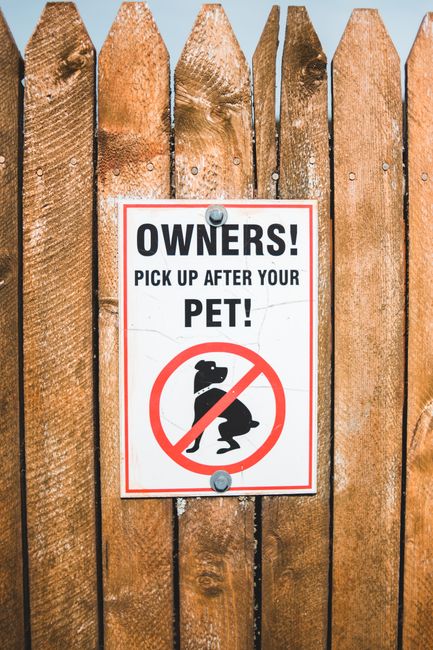
If you own or manage property in Notting Hill, fly-tipping is one of those problems that can turn up overnight and cause far more hassle than people expect. A sofa dumped beside your railings, bags left by a shared bin store, building waste behind a mews gate - it only takes one mess to trigger complaints, costs, and sometimes enforcement action. The tricky bit is that Fines for fly-tipping in Notting Hill: owners' responsibilities are not always obvious at first glance. Owners are often surprised by how quickly a disposal issue can become a legal, financial, and reputational headache.
In this guide, we'll break down what property owners, landlords, managing agents, and business operators should know, how responsibility is usually assessed, what to do when waste appears on your land, and how to reduce the chance of being blamed for someone else's rubbish. Let's face it: in a busy London neighbourhood, prevention is a lot cheaper than cleanup.
Why Fines for fly-tipping in Notting Hill: owners' responsibilities Matters
Fly-tipping is not just an eyesore. It affects kerb appeal, tenant satisfaction, insurance conversations, local relationships, and, in some cases, enforcement decisions. In a place like Notting Hill, where streets are tightly managed and foot traffic is constant, rubbish left in the wrong place gets noticed quickly. That means a small lapse can snowball into a formal complaint before you have even had your first coffee.
For owners, the big issue is responsibility. If waste is dumped on or around your property, the instinct is often to assume, "well, it's not mine." Sometimes that is true. Sometimes it is not. Liability can depend on where the waste is, whether the land is private or shared, how accessible it was, whether there is evidence of neglect, and whether the owner took reasonable steps to secure and manage the site.
That is why understanding the practical side of owners' responsibilities matters. If you know how inspectors, councils, and neighbours tend to look at these situations, you can respond calmly, document properly, and avoid making things worse. A tidy, well-run property also sends a clear signal: this place is looked after, and fly-tippers are less likely to see it as an easy drop-off point.
Expert summary: The safest approach is to treat every fly-tipping incident as both a cleanup issue and a record-keeping issue. Remove the waste promptly, document everything, and show that you took reasonable precautions before and after the incident.
How Fines for fly-tipping in Notting Hill: owners' responsibilities Works
There is no single neat formula that says every owner will be fined every time rubbish appears. In real life, enforcement tends to look at context. Was the waste dumped on private land, in a communal area, beside commercial premises, or near a bin enclosure? Was the land secured? Were bins overflowing? Did the owner or managing agent leave a known access point open? Was there evidence that the owner failed to act after being warned?
In practical terms, the process often follows a rough pattern:
- Waste is found. It may be reported by neighbours, caretakers, tenants, passers-by, or the owner themselves.
- The location is assessed. The key question is whether the waste is on public land, private land, or a shared area with mixed responsibilities.
- Evidence is reviewed. Photos, CCTV, delivery records, bin schedules, tenant reports, and access logs can all matter.
- Responsibility is considered. Authorities may ask whether the owner maintained secure boundaries, adequate bins, and a sensible waste arrangement.
- Action follows. That could mean a cleanup notice, a penalty, a warning, or no formal action if the owner acted promptly and responsibly.
What catches people out is that liability is not always about who physically dumped the waste. It may also involve how well the property was managed. For example, a communal alley with persistent rubbish problems can raise questions about bin storage, gate security, signage, or tenant education. Similarly, a shopfront with bags left outside after closing time can attract attention fast, especially if waste management looks ad hoc.
If you manage multiple units or a mixed-use building, the responsibility picture becomes even more layered. One resident's careless disposal can create a problem for everyone. That is where a consistent cleaning and waste routine helps. Some owners already build this into wider property care, alongside services like communal area cleaning and regular cleaning, because tidy shared spaces are simply easier to control.
Key Benefits and Practical Advantages
Dealing with fly-tipping properly is not only about avoiding fines. It also makes the property easier to run, easier to let, and easier to explain to tenants, neighbours, or partners. Truth be told, the good habits pay off in more ways than one.
- Lower enforcement risk: Clear records and quick action help show you are acting reasonably.
- Better tenant confidence: People notice when a building feels controlled and cared for.
- Fewer repeat incidents: Secure access and clear waste routines reduce temptation for dumpers.
- Less expensive cleanups: Small, prompt interventions are usually easier than a full-scale clear-out.
- Stronger reputation: In Notting Hill, appearance matters. A tidy frontage says a lot.
- More predictable property management: Waste is one less thing to panic about at the last minute.
There is also a quieter benefit: peace of mind. When your systems are in place, you do not spend your evenings wondering whether that pile by the gate is "your problem" or someone else's. You already know what to do, and that saves a lot of stress.
Owners who already pay attention to broader upkeep tend to have an easier time. A well-kept exterior, clean access routes, and sensible maintenance reduce the sense that a property is neglected. Services such as facade cleaning or gutter cleaning may sound unrelated at first, but they help support the same message: this site is monitored, maintained, and taken seriously.
Who This Is For and When It Makes Sense
This topic is relevant to more people than you might think. It is not just a landlord issue, and it is not just a council issue either.
- Private landlords: especially if you let flats, HMOs, or properties with shared access.
- Freeholders and leaseholders: where shared bins, courtyards, or mews access create grey areas.
- Managing agents and block managers: who need to show practical control and record keeping.
- Shop and office owners: particularly if waste is left outside after business hours.
- Airbnb and short-let hosts: where frequent turnover can create disposal confusion.
- Building owners after works: because refurbishments can generate bulky waste very quickly.
This also matters if you have had repeated complaints from neighbours or if your building sits in a spot where people are tempted to leave things discreetly after dark. That little "out of sight, out of mind" attitude is exactly the problem. A stray mattress at 6 a.m. is not subtle. It is never subtle.
If your situation involves emptying a property, a heavy clear-out, or post-works mess, it can help to plan in advance for lawful disposal and site tidy-up. For bigger jobs, a structured approach like house clearance or after builders cleaning may be more sensible than trying to improvise.
Step-by-Step Guidance
If you discover fly-tipped waste at your property in Notting Hill, work through the problem methodically. The first instinct is usually frustration. Fair enough. But the best outcomes come from a simple process.
1. Check the location and ownership boundaries
Confirm exactly where the waste is sitting. Is it on your private land, in a shared passage, beside communal bins, or on the pavement outside? A few feet can change the responsibility picture quite a bit.
2. Photograph everything before moving it
Take clear photos from several angles. Capture the items, the surrounding area, gates, bin stores, signage, and anything that could help show access conditions. If there is packaging, labels, or a note, keep it visible in the images.
3. Look for obvious evidence
Delivery slips, names on bags, broken furniture tags, business waste labels, or CCTV footage can all help. Do not over-handle the waste. Just document what is there.
4. Make the site safe
If the waste blocks access, smells, attracts pests, or poses a sharp-object risk, arrange removal promptly. Safety first, always. One wet mattress or broken glass can turn a nuisance into a proper hazard.
5. Notify the right parties
Where relevant, tell tenants, neighbours, building staff, or your managing agent. If you are responsible for a communal building, clear communication prevents blame-shifting later. Nobody enjoys the game of "who left the fridge here?"
6. Arrange lawful removal and cleaning
Use a proper waste route and make sure the area is left clean. If the mess has spread onto carpets, hard floors, or walls, follow-up cleaning may be needed too. For interiors affected by mud, odour, or contamination after dumping, targeted help such as deep cleaning, hard floor cleaning, or stain removal can make a big difference.
7. Record what you did
Keep the date, time, photos, the person who reported it, who collected it, and any follow-up action. If the issue comes back later, you will be glad you did. Honestly, this is one of those boring tasks that feels overdone until the day you need it.
Expert Tips for Better Results
After enough time dealing with messy properties, a few habits stand out. The owners who handle fly-tipping best are not necessarily the ones with the biggest budgets. They are the ones with a routine.
- Secure access points: broken locks, loose gates, and open bin enclosure doors invite trouble.
- Label waste areas clearly: people are less likely to dump where boundaries are obvious.
- Use scheduled cleaning: regular attention helps you spot small issues before they become obvious to everyone else.
- Train tenants or staff: a five-minute explanation about waste rules can save hours later.
- Check the area after collections: miss one spillage and it can become the next magnet for dumping.
- Keep an eye on recurring patterns: if waste always appears on one side or after certain days, there is probably a reason.
For businesses, the surrounding environment matters too. A tidy reception area, clean frontage, and orderly service space all reduce the sense that rubbish can be casually left behind. Even basic upkeep, such as office cleaning or commercial cleaning, can support the bigger picture of control and compliance.
And here is a small but useful truth: if you can smell waste before you see it, you are already behind on the problem. Don't wait for that moment.
Common Mistakes to Avoid
Most fly-tipping headaches get worse because of one of a few predictable mistakes. Avoiding them is half the battle.
- Assuming silence means safety: no complaint does not mean no risk.
- Moving waste before taking photos: once evidence is gone, your position is weaker.
- Leaving a repeat hotspot unsecured: if rubbish keeps appearing in the same place, the access issue has not been solved.
- Mixing up private and shared responsibility: shared entrances, yards, and alleys often need joint arrangements.
- Letting bulky waste sit too long: the longer it stays, the more it attracts more waste. Annoying, but true.
- Ignoring smell, pests, or staining: the cleanup can become more expensive once contamination spreads.
Another common mistake is thinking that a one-off tidy-up fixes a recurring access problem. Sometimes it does. Often it does not. If your property has a chronic issue, the answer may be a better waste routine, more secure storage, or a more consistent cleaning schedule. A quick response is fine, but a proper system is better.
Tools, Resources and Recommendations
You do not need a complicated toolkit to manage fly-tipping well. A few simple things go a long way.
| Tool or approach | What it helps with | Practical note |
|---|---|---|
| Phone camera | Evidence gathering | Take wide shots and close-ups before anything is moved. |
| Site log or incident book | Tracking repeat issues | Useful for blocks, estates, and managed properties. |
| Secure bin storage | Preventing unauthorised dumping | Keep doors, lids, and gates working properly. |
| Regular inspection routine | Early detection | A quick weekly check often catches problems before they spread. |
| Targeted cleaning support | Restoring the property after removal | Use the right cleaning method for carpets, floors, upholstery, or exterior areas. |
Depending on the mess, different services can help restore the area properly. A shared hallway might need communal area cleaning. A filthy rug left near a doorway may need rug cleaning. A smoky or damp interior after rubbish has been left too long might benefit from one-off cleaning.
If the issue began during a move, short-let turnover, or property handover, services such as move-out cleaning and move-in cleaning can help keep the transition orderly. That is especially useful in a busy rental market where people come and go quickly.
Law, Compliance, Standards, or Best Practice
This subject touches on waste duty, property management, nuisance control, and reasonable care. Exact enforcement outcomes depend on the facts, so it is wise to be careful about assumptions. In general, owners should focus on demonstrating that they:
- maintained control of access where reasonably possible
- provided suitable waste storage or collection arrangements
- responded quickly once waste was discovered
- kept records of inspections, reports, and removals
- did not ignore recurring issues
Best practice is usually less about legal jargon and more about being able to show a sensible system. If you can explain what happened, what you checked, and what you did next, you are already in a stronger position. That applies whether you own a townhouse, a shop, a block of flats, or a commercial site.
For owners of homes and furnished lets, regular upkeep also helps separate ordinary wear and tear from a genuine dumping issue. Keeping interiors clean with services like domestic cleaning, house cleaning, or end of tenancy cleaning can support a clearer record of property condition. It sounds basic because it is basic, and that is often the point.
Options, Methods, or Comparison Table
When fly-tipping appears, owners usually have three broad ways to deal with it. Each has a place, depending on scale and urgency.
| Approach | Best for | Pros | Limits |
|---|---|---|---|
| Owner-led response | Small, contained incidents | Fast, direct, good for documentation | Can be time-consuming if the waste is bulky or hazardous |
| Managing agent / contractor-led response | Blocks, estates, commercial premises | Consistent process, easier record keeping | Needs a clear agreement and communication flow |
| Specialist clean-up and restoration | Messy, odorous, damaged, or widespread incidents | More thorough, often faster for larger jobs | Costs more than a basic DIY response |
For a lot of property owners, the sensible choice is a blend. You document and secure the site yourself, then bring in help for removal or cleaning if the job is bigger than expected. That is not overkill. That is just being realistic.
Case Study or Real-World Example
Picture a Notting Hill mews property with a small rear access lane shared by three homes. One Monday morning, the owner finds a broken wardrobe, bagged household waste, and a half-open box of old tiles left by the gate. The first reaction is irritation - understandable - because it looks untidy and a bit cheeky. But the owner does the right things in the right order.
They photograph the waste before touching it, check the gate latch, note that the bin enclosure had been left ajar after collection, and speak to the neighbours about access. The waste is removed the same day, the area is cleaned, and the gate mechanism is repaired. A simple log is kept with times, photos, and the person who reported it. Two weeks later, the issue has not returned.
Now compare that with the version where the owner drags the rubbish inside the yard first, forgets to take pictures, leaves the gate broken, and only deals with the smell after complaints start. Same incident, very different outcome. One looks like reasonable management. The other looks like a avoidable mess, and yes, that matters.
The lesson is not that owners can control everything. They cannot. The lesson is that prompt action, evidence, and a sensible maintenance routine make a real difference.
Practical Checklist
Use this checklist when dealing with fly-tipping on or around a property in Notting Hill.
- Confirm the exact location of the waste
- Take clear photos before moving anything
- Check access points, gates, and bin storage
- Look for labels, addresses, or other evidence
- Record the date, time, and who reported it
- Notify tenants, staff, neighbours, or agents where relevant
- Arrange safe removal using a proper route
- Clean the affected area thoroughly
- Repair any obvious access weakness
- Log the incident in case it happens again
If the problem has affected interiors, soft furnishings, or floors, consider follow-up work such as sofa cleaning, mattress cleaning, or carpet cleaning. If it is a larger damp or odour issue, steam carpet cleaning may be a better fit. The right choice depends on the material and the contamination, so do not guess if you can avoid it.
Conclusion
Fines for fly-tipping in Notting Hill: owners' responsibilities are ultimately about more than one penalty or one pile of rubbish. They are about control, evidence, and the way a property is managed day to day. If you own land or oversee a building, the safest stance is simple: keep access secure, respond quickly, document everything, and treat repeat issues as a system problem rather than a one-off nuisance.
That approach protects your property, saves time, and makes awkward conversations far easier. It also keeps your building looking like it is cared for, which in Notting Hill is no small thing. A few steady habits really do go a long way.
Get a free quote today and see how much you can save.
And if you are still looking at a messy site and wondering where to start, start small. Take the picture. Lock the gate. Write it down. Then deal with the rest. One step at a time.
Frequently Asked Questions
Can a property owner be fined if someone else fly-tipped on their land?
Sometimes, yes, depending on the circumstances. Responsibility can hinge on access control, site management, evidence, and whether the owner took reasonable steps after discovering the waste.
What should I do first if I find fly-tipped waste in Notting Hill?
Photograph the waste before moving it, check the location carefully, and make the area safe. After that, arrange lawful removal and keep a record of what happened.
Does communal waste make owners more vulnerable to fly-tipping fines?
It can, especially if bins are unsecured or access is open. Shared spaces need clearer routines because responsibility is often divided and disputes are easier to create.
How do I prove I was not responsible for the dumping?
Keep records. Photos, CCTV, inspection notes, access logs, collection schedules, and incident reports all help show that you acted reasonably and did not ignore the problem.
Are landlords treated differently from freeholders or business owners?
Not always in a simple way, but the context changes. A landlord with a managed rental property, a shop owner with rear access, and a block manager with shared bins may each have different practical responsibilities.
Can overflowing bins be treated as fly-tipping?
They can create the same kind of enforcement concern, especially if waste is left beside or around bins for too long. Overflow suggests a management issue, even if the original items were put out legally.
Should I remove the waste myself or wait for advice?
If it is safe and lawful to do so, prompt removal is usually better than waiting. But if the waste could be hazardous, contaminated, or evidence-rich, document first and be careful not to destroy useful information.
What if fly-tipping keeps happening in the same spot?
Then you likely have a repeat-access or storage problem. Check gates, locks, signage, lighting, and bin routines. A recurring hotspot needs a structural fix, not just another clean-up.
Will cleaning the area help prevent another incident?
Yes, in many cases. A tidy, well-maintained site is less attractive to dumpers. Services like one-off cleaning or window cleaning can help keep the site looking managed, which matters more than people think.
Is there a difference between rubbish and fly-tipping?
Yes. Ordinary rubbish is waste managed in a normal way, while fly-tipping is illegal dumping. The distinction matters because the response, records, and potential consequences are very different.
Can short-let properties be more at risk?
They can be, mainly because turnover is higher and disposal habits are less consistent. Clear instructions for guests and quick post-stay checks help a lot.
Where can I get help if the mess is bigger than expected?
If the waste has spread into the building or left stains, odours, or damage, a structured cleaning response may be the next sensible step. Depending on the area affected, services such as patio cleaning, oven cleaning, or upholstery cleaning may be more appropriate than a generic clean.